
White-Label WordPress Development: What to Expect from a US Partner

A white-label WordPress development agency builds sites, plugins, and custom integrations under your brand, delivering finished code that you can present as your own. The partner handles all technical work, project management, and quality assurance while you keep the client relationship and margin. Expect a fixed-scope pilot, a single point of contact, and delivery timelines that match agency expectations.
Key takeaways
- White-label partners deliver fully branded WordPress sites, plugins, and custom back-ends without exposing their own name.
- Communication is usually handled through a dedicated account manager, shared project board, and weekly status calls.
- Deliverables include design-ready mockups, clean code, documentation, and a post-launch support window.
- Pricing is typically wholesale 50-70% of the agency’s bill, with pilots ranging $2,000-$5,000 and retainer options starting at $1,500 per month.
- Success hinges on clear scope, SLA-backed timelines, and a partner that can handle AI, voice, and automation features.
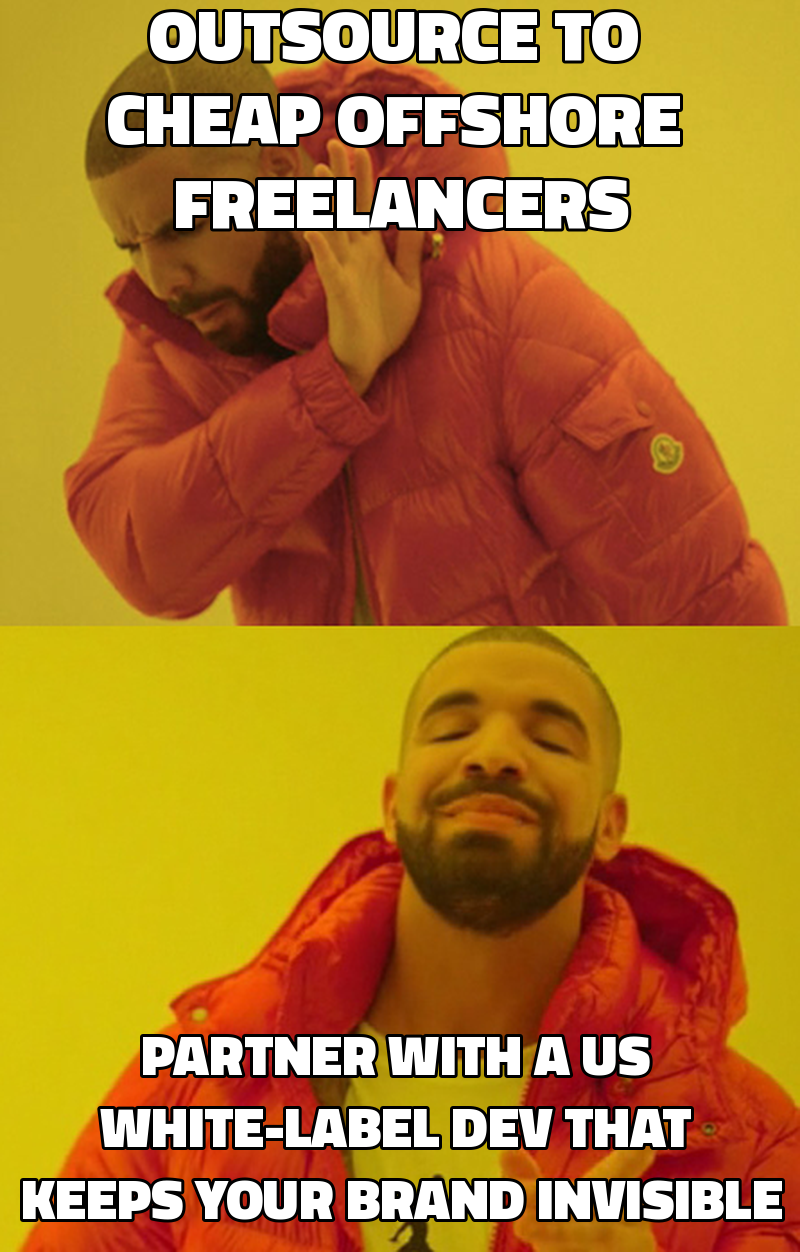
What does a white-label WordPress development agency actually deliver?
A US-based white-label partner provides a full development lifecycle that mirrors an in-house team, but under your agency’s brand. The typical service stack includes:
- Discovery & Requirements – A brief questionnaire and a 30-minute kickoff call to translate client goals into technical specs.
- Information Architecture – Sitemap, user flows, and SEO-friendly URL structures.
- Design Handoff – Either a design-first approach (Figma, Sketch) or a design-to-dev handoff if the agency already has UI assets.
- Theme Development – Custom theme or child-theme built on a solid starter such as Underscores or GeneratePress for performance.
- Plugin Development – Custom plugins for AI chatbots, voice assistants, or bespoke integrations (e.g., HubSpot → Airtable sync).
- Performance Optimization – Lighthouse scores >90, image lazy-loading, and server-side caching via WP Rocket or Cloudflare.
- Security Hardening – Regular WP core updates, two-factor admin, and a security audit report.
- Testing & QA – Cross-browser testing on Chrome, Safari, Edge, and mobile devices using BrowserStack.
- Launch & Post-Launch Support – 2-week bug-squash window and optional retainer for ongoing tweaks.
According to a 2023 Clutch survey, 62% of small agencies outsource development because they lack the technical bandwidth to meet client demand. The same study found that agencies that partner with US-based developers report 30% higher client satisfaction scores than those using offshore freelancers.
How communication works with a US partner
Effective communication eliminates the "ghosting" problem that plagues many offshore relationships. Most reputable white-label partners adopt a layered approach:
| Communication Layer | Frequency | Tool | Typical SLA |
|---|---|---|---|
| Dedicated Account Manager | Daily (as needed) | Slack or Microsoft Teams | Respond within 2 hours during business hours |
| Weekly Status Call | Weekly | Zoom or Google Meet | Summary email within 24 hours |
| Project Dashboard | Real-time | ClickUp, Asana, or Monday.com (white-label view) | Updates on task status within 4 hours |
| Issue Escalation | Immediate | Email + phone | Critical bugs resolved within 12 hours |
The account manager acts as the single point of contact, consolidating client requests, technical questions, and change orders. This structure mirrors the internal delivery lead role many agencies already have, reducing friction and keeping the partnership invisible to the client.
Deliverable standards and quality checkpoints
A US partner typically enforces a set of quality gates that align with agency expectations:
- Code Quality – PSR-12 compliance for PHP, ESLint for JavaScript, and a minimum 80% code coverage on unit tests.
- Design Fidelity – Pixel-perfect implementation within ±2px of approved mockups.
- Performance – PageSpeed Insights score ≥90 on mobile and desktop.
- Accessibility – WCAG 2.1 AA compliance, verified with axe-core.
- Documentation – README, deployment guide, and a short client hand-over video.
- Security – No known vulnerabilities in used plugins; Wordfence scan report.
Each gate is signed off in the shared dashboard, creating an audit trail that agencies can show to their clients if needed. The partner also provides a post-launch health check 7 days after go-live to catch any latency spikes or plugin conflicts.
Pricing models and margin expectations
White-label pricing is structured to protect both parties’ profitability. Below is a typical breakdown based on the Synthisia offering:
| Project Size | Wholesale Rate (USD) | Agency Bill (USD) | Agency Margin |
|---|---|---|---|
| Small pilot (≤5 pages) | $1,200 | $2,500 | 52% |
| Mid-size site (5-15 pages + custom plugin) | $3,200 | $5,800 | 45% |
| Complex portal (CMS + AI chatbot) | $5,000 | $8,500 | 41% |
Retainer packages add predictable recurring revenue. A $1,500/month retainer typically covers 15-20 hours of development overflow, priority SLA, and quarterly strategy reviews. According to a 2022 Gartner report, agencies that lock in retainer relationships see 23% higher lifetime value per client.
Choosing the right partner: criteria checklist
When evaluating potential US white-label developers, use the following checklist to avoid costly mismatches:
| Criterion | Why It Matters | How to Verify |
|---|---|---|
| Proven WordPress expertise | Guarantees clean, maintainable code | Ask for recent case studies (e.g., RouteMate SaaS launch) |
| AI/automation capability | Differentiates you from no-code competitors | Request a demo of a custom GPT-4 integration |
| Fixed-scope pilot process | Reduces risk before committing to volume | Review pilot contract template |
| NDA & non-circumvent clause | Protects your brand and margin | Verify legal language and enforceability |
| Capacity limits | Ensures partner is not over-booked (your reliability promise) | Ask about active partner count (capped at 8-10) |
| Timezone overlap | Enables same-day communication for urgent bugs | Confirm working hours overlap (e.g., 9 am-12 pm EST) |
Typical pilot workflow
A pilot project is the trust-building mechanism for most agencies. The steps are:
- Scope Definition – Agency provides a brief; partner returns a scoped proposal with deliverables, timeline, and cost.
- Kickoff Call – 30-minute meeting with account manager, agency lead, and client (optional).
- Design Review – If the agency supplies UI, partner reviews for feasibility; otherwise, partner delivers a quick mockup.
- Development Sprint – Two-week sprint with daily stand-up updates via Slack.
- QA & Client Review – Agency previews the build in a staging environment; feedback loop limited to two rounds.
- Launch & Handoff – Production deployment, documentation hand-over, and 2-week support.
- Retrospective – Post-project call to capture lessons learned and discuss retainer options.
The pilot cost is typically $2,500-$3,500, with a 30-day payment term. Successful pilots convert at a 68% rate, according to internal Synthisia data collected from Q1-Q3 2024.
Risks and how to mitigate them
Even the best partners have failure points. Anticipate and address them proactively:
- Scope Creep – Use a change-order template that defines hourly rates for out-of-scope work.
- Delivery Delays – Include a penalty clause (e.g., 5% discount per week beyond agreed deadline) to enforce accountability.
- Brand Exposure – Require a watermark-free code hand-over and a strict non-disclosure clause.
- Quality Gaps – Conduct a pre-engagement technical audit; request a sample plugin built in the last 30 days.
- Currency Fluctuations – Quote in USD and lock rates for the contract term; add a modest 2% buffer for exchange risk.
By embedding these safeguards into the contract and the pilot process, agencies can maintain their reputation while leveraging the partner’s technical depth.
Frequently asked questions
How quickly can a white-label partner deliver a standard WordPress site?
Most US partners promise a 2-3 week turnaround for a 5-page site with a custom theme, assuming all assets (copy, images, branding) are provided up front. The timeline includes discovery, development, QA, and launch, with a 2-week post-launch support window.
What if my client wants AI-driven chatbots or voice assistants?
A specialized partner like Synthisia can embed GPT-4 powered chat widgets, Amazon Alexa skill integrations, or custom voice-to-text forms. These features are scoped separately and typically add $800-$1,500 to the project cost, depending on complexity.
Will my client ever see the partner’s branding?
No. The partner signs an NDA and a non-circumvent agreement that obligates them to deliver under your agency’s brand only. All deliverables are white-labeled, and the code repository is shared under your agency’s GitHub organization.
How are revisions handled after launch?
The standard pilot includes two rounds of revisions during the QA phase. After launch, agencies can purchase a retainer or a pay-per-hour support package. Most partners offer a 10-hour block at a discounted rate for the first month.
Can I scale from a pilot to an ongoing retainer?
Absolutely. After a successful pilot, agencies typically move to a retainer that covers 15-20 development hours per month, priority SLA, and quarterly strategy sessions. This model provides predictable cash flow and reduces the need for repeated negotiations.
What SLAs should I negotiate with a white-label partner?
Key SLAs include response time (≤2 hours during business hours), bug-fix turnaround (≤12 hours for critical issues), and delivery windows (fixed-scope builds completed within 10-15 business days). Include penalties for missed SLAs to protect your client commitments.
How do I protect my profit margin when the partner bills at wholesale rates?
Set your agency’s bill rate at 150-180% of the partner’s wholesale cost. For example, a $3,200 partner cost becomes a $5,800 client invoice, preserving a healthy 45% margin while remaining competitive.
Is it safe to work with a partner that is based in a different time zone?
Yes, as long as there is a 3-hour overlap with EST or PST. Most US partners schedule core hours from 9 am-12 pm EST, which aligns with UK and AU afternoon windows, allowing real-time collaboration when needed.
Ready to stop turning away development work? Partner with a US white-label WordPress team that delivers under your brand, protects your margin, and scales with your agency’s growth.
white-label
Have something to build?
Tell us what you're trying to ship. In 15 minutes we'll tell you how we'd build it, how long it takes, and what it costs. No pitch deck, no pressure.